
Marvel’s First Family Returns to the MCU with a Stylish but Shallow Reboot
Review: Fantastic Four: First Steps Fantastic Four: First Steps positions Marvel’s original superhero team in a 1960s-inspired world, with a visual style that immediately distinguishes it from the rest of the MCU. This mid-century setting brings some freshness to a franchise in need of reinvention. But while the aesthetic choices are deliberate and confident, the film often […]
Review: Fantastic Four: First Steps
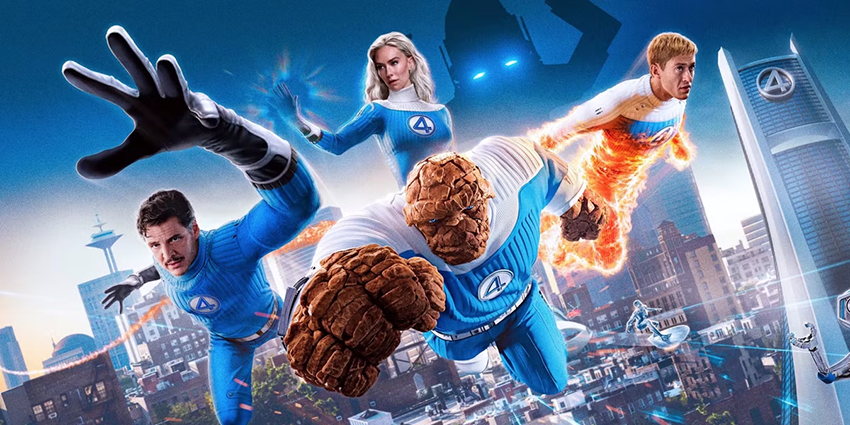
Fantastic Four: First Steps positions Marvel’s original superhero team in a 1960s-inspired world, with a visual style that immediately distinguishes it from the rest of the MCU. This mid-century setting brings some freshness to a franchise in need of reinvention. But while the aesthetic choices are deliberate and confident, the film often favours surface-level charm over emotional or narrative depth.
The cast is well-selected. Vanessa Kirby and Pedro Pascal bring a sense of ease and connection to their roles as Sue and Reed Richards. Their chemistry is genuine and rooted in care rather than conflict, which is refreshing. Johnny Storm (Joseph Quinn) brings the expected energy, while Ben Grimm (Ebon Moss-Bachrach) plays the role of the loyal outsider — part of the family, but never fully at ease within himself. Once again, the Marvel formula leans on quips and backstory breadcrumbs without giving them space to deepen.
First Steps leans into a deeply human — and even spiritual — truth: that strength is found not in independence, but in interdependence.
This theme is most apparent in Ben Grimm’s subplot with Natasha Lyonne’s character. Their relationship — understated and emotionally grounded — offers something rare in superhero storytelling: tenderness. Their scenes manage to cut through the gloss, revealing a more human angle rarely afforded to Marvel’s CGI-heavy characters. But this sub plot is too brief and underuses the brilliant Lyonne.
There’s also a missed opportunity. Ben’s Jewish identity, tied to co-creator Jack Kirby’s own background, is hinted at but not explored. A deeper exploration of his faith and heritage could have given his character greater dimension, grounding his struggles in something beyond the usual outsider trope. Faith, after all, is one of the most enduring ways people make sense of transformation, suffering, and belonging — all themes central to Ben’s story.
The film touches on this but pulls back just when it could push forward. Leaning further into Grimm’s cultural background would have added weight and texture to his character, elevating him beyond the standard-issue tough guy with a soft heart.
Narratively, the film keeps its stakes surprisingly low. That’s not inherently a flaw — smaller-scale superhero stories can offer focus and clarity — but in this case, the third act wraps up too quickly to feel earned. There’s no real trial by fire — no moment that tests or refines the team in a lasting way. In contrast to the idea of family forged through shared hardship, their conflicts and resolutions feel procedural, not transformative.
The resolution lacks the necessary tension and momentum and reinforces a growing issue across the MCU: high-concept setups that coast to a close.
Marvel’s recent stories have often struggled with weight. The end of the world has become routine. First Steps tries something different, choosing to start with an oddly contained story given the main villain is a world-eating entity. That’s commendable. But contained doesn’t need to mean shallow. A more meaningful reckoning with who these characters are — and what binds them beyond science or superpowers — would have lifted this from stylish introduction to give it some resonance.
Fantastic Four: First Steps isn’t trying to match the scale of Avengers: Endgame, and that’s a wise choice. The problem is, it doesn’t replace spectacle with anything more substantial. The film wants to reintroduce Marvel’s First Family as a new centrepiece, but it doesn’t build enough of a foundation for that goal to stick it’s landing.
First Steps gestures toward timeless themes — family, belonging, faith, identity — but rarely digs deep enough to make us care.
There’s promise here, especially in the dynamics between its characters. But future entries will need to do more than look the part. They’ll need to believe in what holds people — and heroes — together.

About the Author
Related articles
This Great Gaming Series Loses Itself in the Finale
Review: Life is Strange Reunion In 2015, developer Don’t Nod released the first episode of Life is Strange (back then, episodic adventure games were all the rage). Over the course of that five-episode first season, players would grow to love photographer protagonist Max Caulfield and her anarchist friend Chloe Price. The game was filled with […]
5000 Years of Civilisation Laid Bare
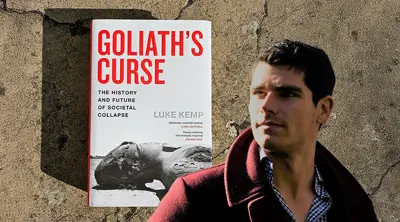
Review: Goliath’s Curse: The History and Future of Societal Collapses, Luke Kemp, Penguin In his book of collapsology, Luke Kemp turns much received wisdom about barbarism and civilisation on its head. It’s the product of an enormous amount of research and contemplation, and it’s a goliath of a book, partly because he tends to repeat […]
Questioning Christianity Today
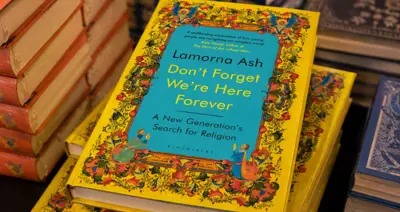
Review: Don’t Forget We’re Here Forever, Lamorna Ash, Bloomsbury We hear much about simultaneous decline and revival in Western Christianity but there isn’t another book on contemporary Christianity quite like Lamorna Ash’s. The writer of a previous book on the Cornish fishing industry, in this new book she likewise takes a very personal approach, immersing […]