
Not All Heroes Wear Halos
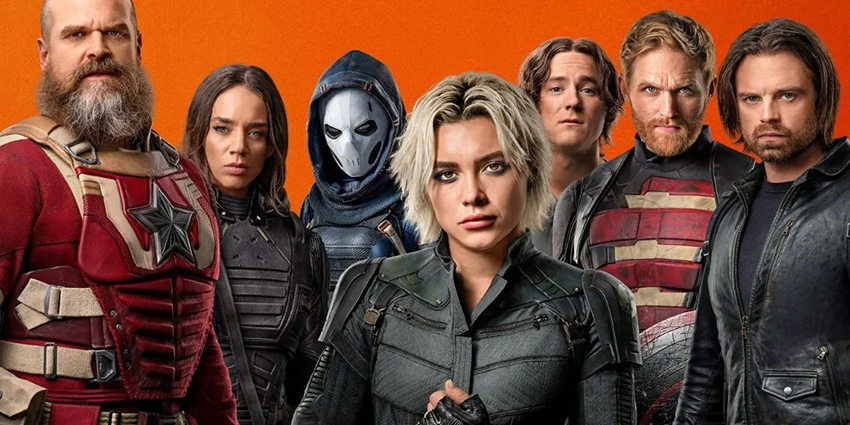
Review: Thunderbolts* Thunderbolts* brings together a team of misfits, many of them with dark pasts. Florence Pugh leads the charge as Yelena Belova, the sarcastic, bruised, and battle-hardened Black Widow successor. She’s not a hero in the traditional sense—she’s killed, lied, and done things she’s not proud of. But in this story, that’s the point. […]
Review: Thunderbolts*
Thunderbolts* brings together a team of misfits, many of them with dark pasts. Florence Pugh leads the charge as Yelena Belova, the sarcastic, bruised, and battle-hardened Black Widow successor. She’s not a hero in the traditional sense—she’s killed, lied, and done things she’s not proud of. But in this story, that’s the point.
Marvel has made its name on clean-cut saviours. Captain America with his unwavering morals. Spider-Man with his “great responsibility” line. But Thunderbolts* shifts the lens. These characters aren’t here to be role models. They’re the kind of people who were once used, hurt, or cast aside. They’re the ones who weren’t good enough, not because they lacked power—but because they didn’t fit the image.
The film doesn’t spend too much time apologizing for them. And it’s better that way. What works is that we’re asked to watch people who are trying. They’re not trying to save the world out of duty or destiny. They’re trying because maybe, if they can do one thing right, they can quiet the noise in their heads. Maybe they can be more than the worst thing they’ve done.
Florence Pugh holds the screen like she always does. Yelena is angry, sharp, funny—and lonely. You feel the weight she carries. She doesn’t try to be noble, but she doesn’t walk away either. That matters. That’s something faith teaches too: you don’t have to be clean to be called. You just have to show up.
The Bible’s full of people like that. Moses was a murderer. David was an adulterer. Paul hunted Christians. None of them would’ve passed the superhero test. But they were used for good anyway. Not because of their image—but because they were willing. That’s the kind of redemption arc Thunderbolts brushes up against. It doesn’t preach it, but it circles around it.
The film asks: what do you do with people who’ve messed up? Who’ve been tools in someone else’s war? The world often tosses them aside. The church sometimes does too. But God doesn’t. The story of grace isn’t about earning a second chance. It’s about being given one because that’s what love does.
Thunderbolts* doesn’t get everything right. Some of the pacing is off. Not every character gets time to breathe. There are scenes that feel stitched together instead of fully fleshed out. But the core is there. A group of people learning how to fight for something other than survival.
And that’s why anti-heroes matter. They hold a mirror up to the parts of us we don’t like to admit. Our selfishness. Our anger. Our regret. But they also remind us that these flaws don’t disqualify us. They make us human.
In a world—and a faith—that talks a lot about forgiveness, it’s strange how quick we are to write people off. We want testimonies without the mess. We want “came to Jesus” stories that skip the years in the wilderness. But healing takes time. So does trust. So does learning how to choose good over evil, especially when evil once felt like the only way to survive.
The Thunderbolts* aren’t here to shine. They’re not here to be worshipped. They’re just trying to make it through without losing what little soul they have left. And that speaks louder than any polished speech from a hero in red, white, and blue.
There’s room on the superhero roster for the broken. There’s room in faith for them too. We shouldn’t fear the stories that show the cracks. That’s where the light gets in.
Marvel’s shiny heroes may get the statues. But maybe it’s the scarred ones who speak to us the most. Not because they’re perfect—but because they’re trying. Because they’ve tasted failure and still get up anyway.
That’s the kind of redemption that matters.

About the Author
Related articles
This Great Gaming Series Loses Itself in the Finale
Review: Life is Strange Reunion In 2015, developer Don’t Nod released the first episode of Life is Strange (back then, episodic adventure games were all the rage). Over the course of that five-episode first season, players would grow to love photographer protagonist Max Caulfield and her anarchist friend Chloe Price. The game was filled with […]
5000 Years of Civilisation Laid Bare
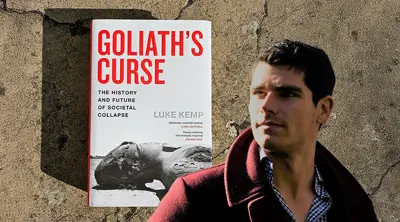
Review: Goliath’s Curse: The History and Future of Societal Collapses, Luke Kemp, Penguin In his book of collapsology, Luke Kemp turns much received wisdom about barbarism and civilisation on its head. It’s the product of an enormous amount of research and contemplation, and it’s a goliath of a book, partly because he tends to repeat […]
Questioning Christianity Today
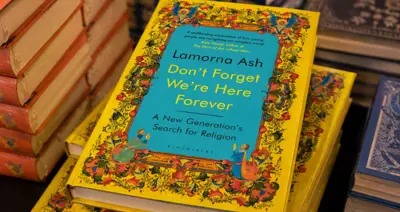
Review: Don’t Forget We’re Here Forever, Lamorna Ash, Bloomsbury We hear much about simultaneous decline and revival in Western Christianity but there isn’t another book on contemporary Christianity quite like Lamorna Ash’s. The writer of a previous book on the Cornish fishing industry, in this new book she likewise takes a very personal approach, immersing […]