
Port Macquarie Churches Unite to Celebrate 1700 Years of the Nicene Creed
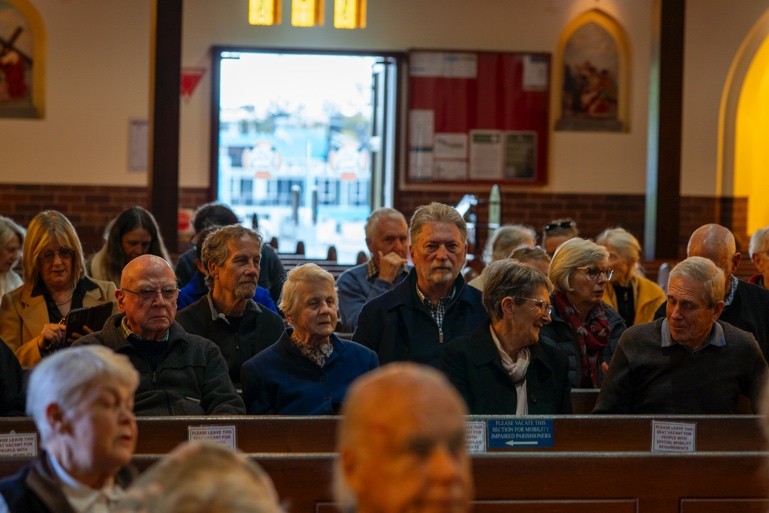
Sunday, July 27th, 2025, several Christian churches in Port Macquarie gathered to celebrate the 1700th anniversary of the Nicene Creed. Formulated at the Council of Nicaea in 325 AD, this foundational statement of faith was celebrated as a symbol of the shared Christian identity worldwide and their unity as one body. The ecumenical service was […]
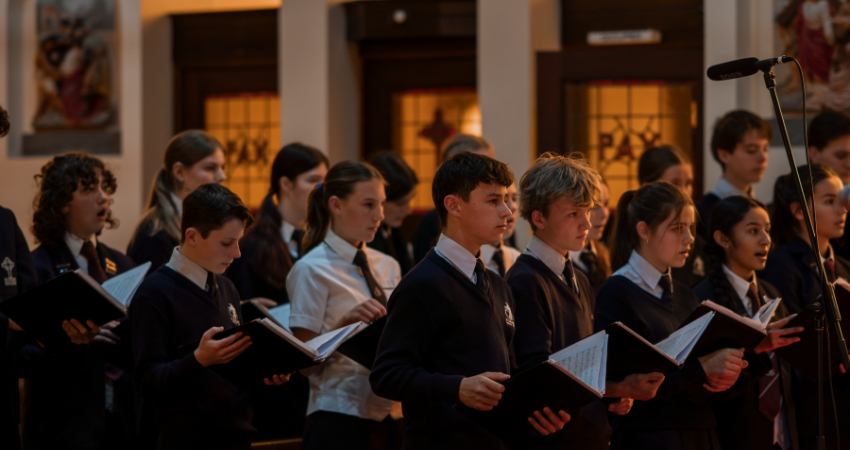
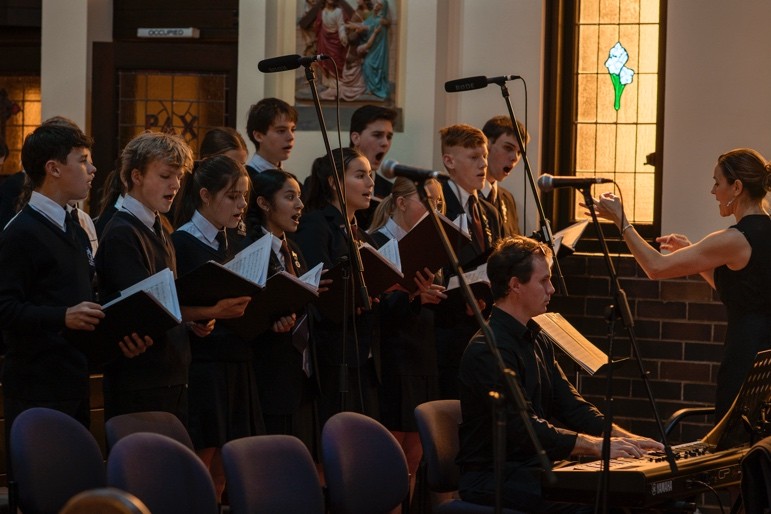
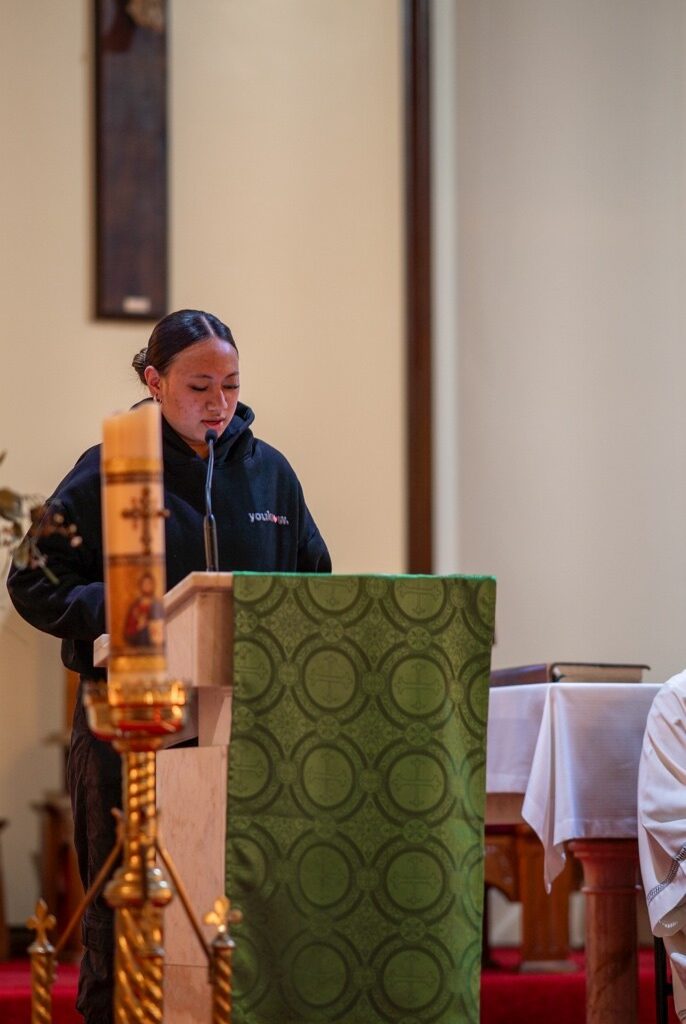
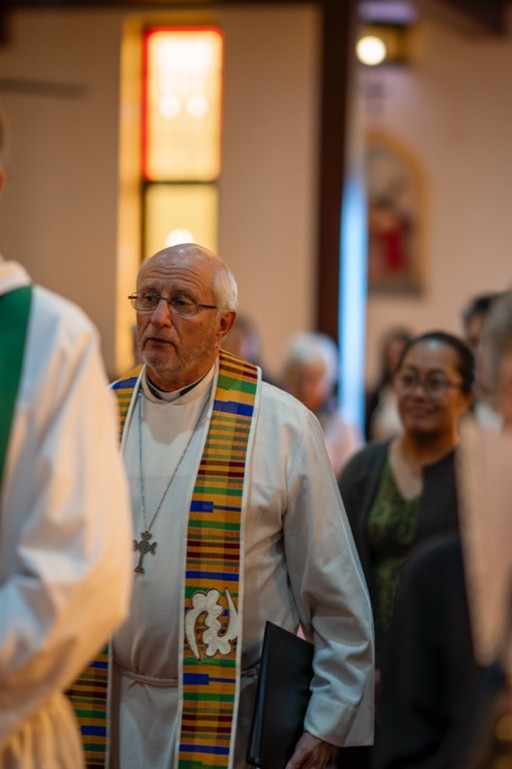
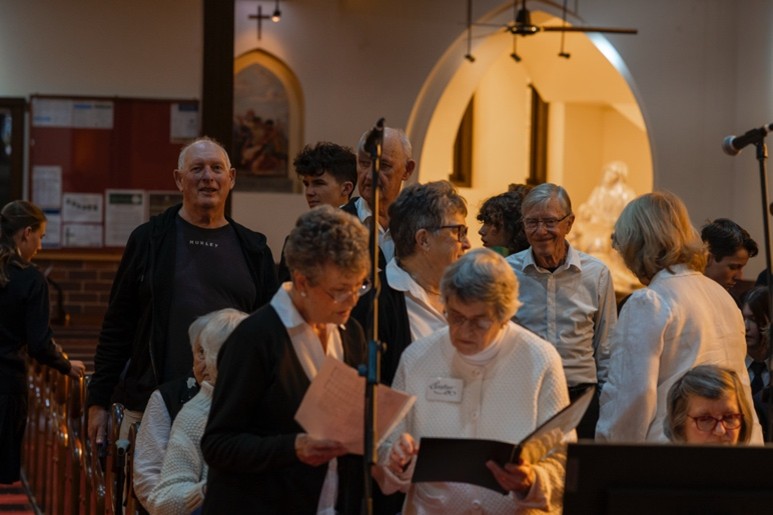
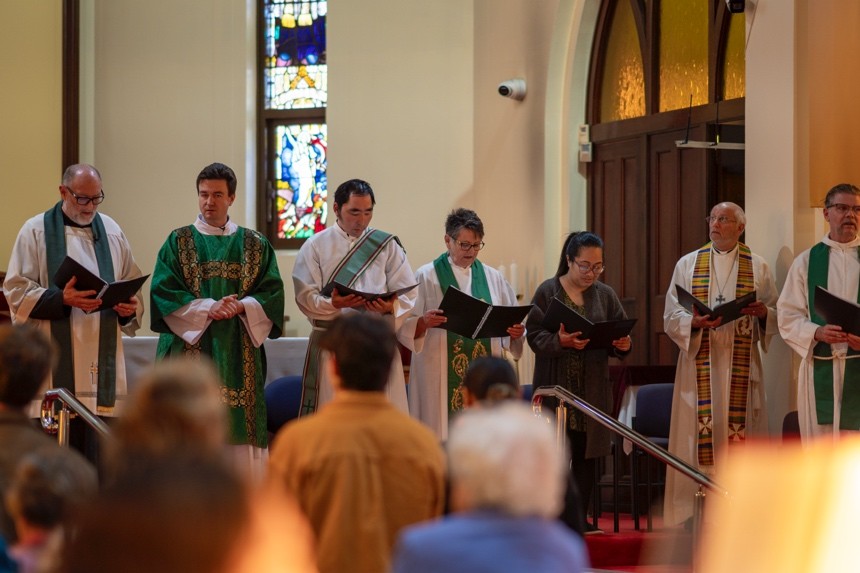
Sunday, July 27th, 2025, several Christian churches in Port Macquarie gathered to celebrate the 1700th anniversary of the Nicene Creed. Formulated at the Council of Nicaea in 325 AD, this foundational statement of faith was celebrated as a symbol of the shared Christian identity worldwide and their unity as one body. The ecumenical service was a collaborative effort of the local churches, including St. Thomas Anglican, St. Agnes Catholic, The Lutheran Church, and The Port Macquarie Uniting Church. Students from the choir of the local St. Columba’s Anglican School led beautiful singing during the service, and leaders from the local churches, along with students from Charles Sturt University Port Macquarie and members of the Christian Students Uniting Port Mac, also participated in the worship.
Rev. Prof. Stephen Picard delivered the homily, reflecting on the enduring legacy of the Nicene Creed. He posed the question, “How fast is the Nicene Creed 1700 years on?” and then highlighted its resilience: “This statement of faith has endured the test of time. It has become a Memory of the Universal Church through time and across space. Second, through controversies and division, it remains a bedrock statement of faith in the Triune God. To see Jesus is to see the eternal God, as Jesus himself said, ‘The one who has seen me has seen the Father.’ As a result, third, it can justly claim to have premier place among the great ecumenical creeds of Christianity. And fourth, the Nicene Creed is an enduring symbol that what we believe can indeed bind us together and point us to a higher calling, our witness to God in Christ.”
The Creed: A Living Document for Today
The creed is a binding document written at a time when the church was a minority and the need was to unite and highlight the belief of the community of faith. The creed tells the story of our faith as a minority and its resilience through many shifts. Sections of the Creeds are a statement of our faith in who we are and what we believe. They are open to dialogue and interrogation as a way of being the church called to be in conversation with one another. Each part of the creed is a foundational statement and an act of response to who we are and what we believe, echoes the themes discussed in Rev. Dr. Chris Budden’s presentation on the Nicene Creed at the recent NSW/ACT Synod meeting.
Rev. Dr. Chris Budden challenges the church to consider whether our beliefs shape how we live, especially in a context marked by colonization and the ongoing call to reconciliation. Are we living what we say we believe? Whose God are we naming in the Creed—does it honour the spirituality of First Peoples?
Was the Creed shaped more by empire than by Jesus?
Are we seeking faithfulness or just cultural relevance? An observation from others suggests: It is also a space for the church to read the Creed alongside a confession that names colonialism as sin, and to take seriously the work of truth-telling, justice, and partnership with First Peoples. He urged us to reclaim Jesus as the liberator—one who resists empire, walks with the marginalised, and calls us to act. He reminded us that grace should lead to forgiveness, welcome, and justice in community life. What do we do with a creed shaped in the shadow of empire? Dr. Budden’s challenge is to let it speak honestly today through confession, relationship, and a life of faithful action.
Ultimately, as Rev. Prof. Stephen Picard suggested, the Nicene Creed can be seen not only as a remembrance of the past—vital for holding onto historical memories—but also as a “premier place in meeting the present.” This is where we wait in anticipation, for God is still at work in what our statement of faith may breathe into our live
A big thank you goes to Prof. Ross Chambers, whose encouragement was instrumental in bringing about this ecumenical service and fostering other ecumenical initiatives among the churches in the area. We also extend our gratitude to all the leaders from the local churches, schools and university who agreed to participate. This collaboration embodies who we are called to be: one God, one body.
Rev. Tau’alofa Anga’aelangi – Uniting Church in Australia Tertiary Chaplain
About the Author
Related articles
Rick Dacey: Faith That Shows Up in the Real World
For Rev Dr Rick Dacey, ministry is not an abstract calling. It is lived out in real places, among real people, often in the most complex and challenging circumstances of life. That conviction — quietly held but consistently practiced — shapes both his leadership at Wesley Mission and what he will bring to ONE this […]

Greta Gerwig’s Narnia to Hit Cinemas Before Netflix in Major Release Shift
Greta Gerwig’s long-awaited return to the world of The Chronicles of Narnia is officially heading to cinemas before streaming, in what marks a major shift for Netflix’s release strategy. Netflix confirmed this week that Narnia: The Magician’s Nephew will debut in theatres on February 12, 2027, before arriving on the platform on April 2 following […]

Australians Feeling More Anxious About the World than During COVID, New Report Finds
Australians are feeling more anxious and frustrated about global instability than they did at the beginning of the COVID-19 pandemic, according to a new report from research company McCrindle. The report, The impact of global events on Australia’s morale and behaviour, paints a picture of a nation unsettled by international conflict, rising fuel prices and […]