
Scott Derrickson: A Christian Director Quietly Reshaping Hollywood
Scott Derrickson is an odd fit for the tidy categories Hollywood likes to sell. He’s the man behind mainstream, effects-driven fare such as Doctor Strange (2016) and tough, intimate horror like The Exorcism of Emily Rose (2005), Sinister (2012) and The Black Phone (2021). He’s also an openly professing Christian who talks about faith as formative for his work – not as […]
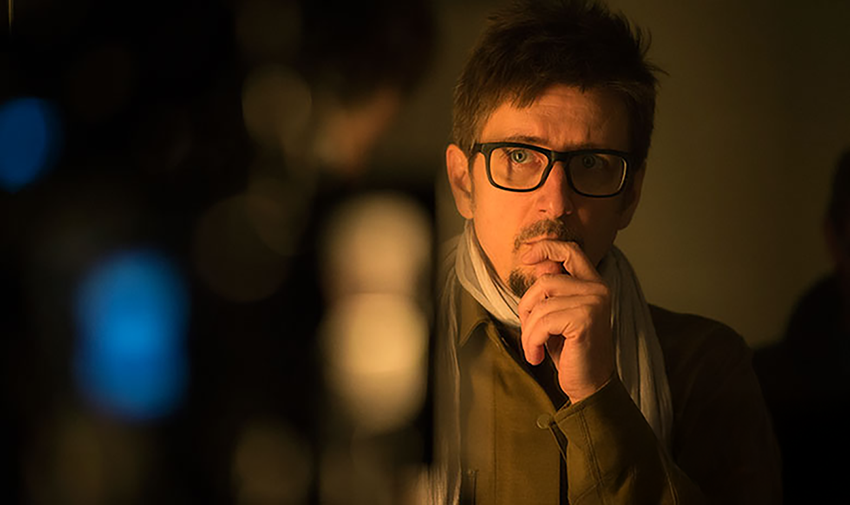
Scott Derrickson is an odd fit for the tidy categories Hollywood likes to sell. He’s the man behind mainstream, effects-driven fare such as Doctor Strange (2016) and tough, intimate horror like The Exorcism of Emily Rose (2005), Sinister (2012) and The Black Phone (2021). He’s also an openly professing Christian who talks about faith as formative for his work – not as a sermon, but as a persistent lens for asking questions about evil, mystery and mercy.
Derrickson is also perhaps one of the busiest directors at the moment with the sequel to his hit Black Phone out now in cinemas and his effects driven action blockbuster The Gorge on Apple TV.
That combination – religious conviction plus evident commercial clout – helps explain why Derrickson is regarded by many as one of the more influential filmmakers working in genre film today. He moved from modest horror pictures to studio tentpoles without shedding the preoccupations that mark his early work: moral ambiguity, the reality (or mythology) of spiritual forces, and human beings confronted by things they do not fully understand. Those concerns show up whether he’s staging an exorcism or drawing a psychedelic battle across dimensions.
Derrickson’s own backstory matters. He says he became a Christian in junior high and that the faith encounter he experienced has “not left” him; at the same time he has described himself as “a recovering fundamentalist,” a phrase that gestures toward both rooted conviction and theological restlessness. That combination – committed but questioning – surfaces again and again in interviews, and in the kinds of stories he chooses to tell.
For Derrickson, horror is not an odd hobby for a believer so much as a natural place to explore spiritual truth. In interviews spanning decades he has pushed back against the idea that Christianity and horror are incompatible. “How can a Christian not do horror films?” he has asked, arguing that Christians are uniquely equipped to make work that wrestles with evil, conscience, and the human need for grace. Rather than exploit fear, he sees horror as a genre that forces audiences to confront the real stakes of moral choice.
That perspective shaped The Exorcism of Emily Rose, a film that dramatizes the tension between courtroom rationalism and religious explanation, and which deliberately leaves space for the audience to judge. The film’s tone – interrogative rather than preachy – is a hallmark of Derrickson’s approach: he’s comfortable raising theological and existential questions without offering tidy answers. Similarly, when he was tapped by Marvel to help translate Doctor Strange to film, he brought an appetite for wonder and mystery rather than didacticism, using the language of spiritual transformation to power a mainstream superhero narrative.
Derrickson’s influence extends beyond box-office receipts. By carving a career that moves between art-house-adjacent horror and studio spectacles, he models a way for faith-motivated filmmakers to participate in Hollywood without surrendering intellectual curiosity. He treats matters of belief as material for dramatic conflict, not as promotional copy — a stance that wins him both admiration and critique, because it resists easy categorization.
Critics rightly note tensions in his oeuvre: some projects stumble, others soar, and his public faith occasionally prompts sharper readings of his films than filmmakers without faith might receive. Yet the persistent fact remains: Derrickson has shown that a Christian filmmaker can be influential in Hollywood while refusing either to hide or to hawk his convictions. He makes films that ask whether the world might contain more mystery than our secular categories allow — and in doing so, he reminds both believers and skeptics that questions about evil, redemption and the unknown still make for compelling cinema.
About the Author
Related articles
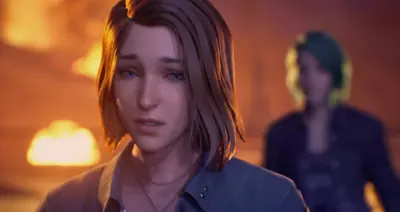
This Great Gaming Series Loses Itself in the Finale
Review: Life is Strange Reunion In 2015, developer Don’t Nod released the first episode of Life is Strange (back then, episodic adventure games were all the rage). Over the course of that five-episode first season, players would grow to love photographer protagonist Max Caulfield and her anarchist friend Chloe Price. The game was filled with […]
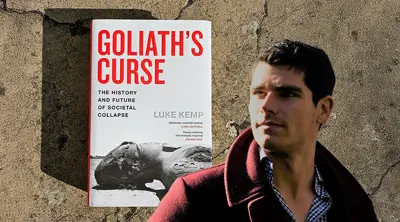
5000 Years of Civilisation Laid Bare
Review: Goliath’s Curse: The History and Future of Societal Collapses, Luke Kemp, Penguin In his book of collapsology, Luke Kemp turns much received wisdom about barbarism and civilisation on its head. It’s the product of an enormous amount of research and contemplation, and it’s a goliath of a book, partly because he tends to repeat […]
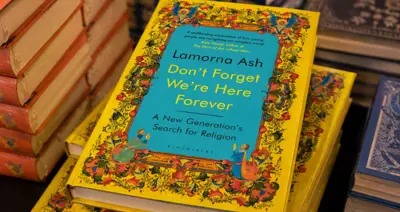
Questioning Christianity Today
Review: Don’t Forget We’re Here Forever, Lamorna Ash, Bloomsbury We hear much about simultaneous decline and revival in Western Christianity but there isn’t another book on contemporary Christianity quite like Lamorna Ash’s. The writer of a previous book on the Cornish fishing industry, in this new book she likewise takes a very personal approach, immersing […]