
Why Real Connections Matter More Than Likes
There’s a growing conversation about mental health, but with it comes a risk – information overload. Gen Z, born between 1997 and 2012, is the first generation to constantly navigate the digital world. While social media offers connection, it can also be a breeding ground for anxiety, depression, and distorted self-image. The constant barrage of […]
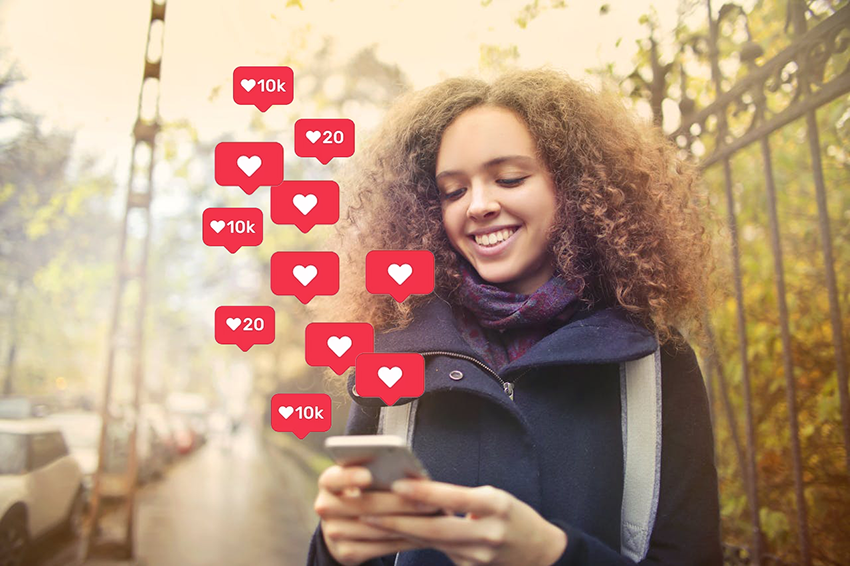
There’s a growing conversation about mental health, but with it comes a risk – information overload. Gen Z, born between 1997 and 2012, is the first generation to constantly navigate the digital world. While social media offers connection, it can also be a breeding ground for anxiety, depression, and distorted self-image.
The constant barrage of information online can be overwhelming. Self-diagnosis fueled by internet searches can lead down a rabbit hole of conflicting advice. The very tools Gen Z seeks for help might be the ones causing harm.
Social media disrupts sleep, weakens social skills, and bombards us with negativity. Ironically, the online communities many turn to for support can be isolating and filled with “noise.” True mental well-being requires stability, human connection, and professional guidance – all things the internet can’t offer.
Gen Z faces a unique challenge – navigating adulthood with a brain still developing amidst a constant digital influx. It’s no surprise that anxiety, loneliness, and unhealthy coping mechanisms can emerge. But the blame doesn’t lie with them.
Despite being digital natives, Gen Z still craves genuine connection. A recent study highlights this – they value close relationships and face-to-face interactions more than online ones. Human connection has always been essential for self-discovery and growth, and this need remains true for Gen Z.
The internet presents complexity when simplicity is needed. For example, men and women often express mental illness differently. But online articles can’t account for these nuances or the deeper factors impacting well-being, such as family dynamics, trauma, and personal strengths.
Healing starts with reaching out to loved ones and reflecting on ourselves. We need to cultivate trust, transparency, and time within our existing relationships. This might involve fostering openness and genuine concern, allowing ourselves to be vulnerable with those who deserve it.
Honest communication is key. Sharing our experiences, both positive and negative, builds stronger communities and self-awareness. Investing time in activities that uplift us and protect this time fiercely is crucial.
Christians have an excellent model for genuine connection in a relationship with God, and relationships flourish when we are in connection with one another. Face to face connection trumps online connection every time, but it’s important to understand that digital communication plays a part in this complex connective world world we love in.
Finally, we need to embrace our unique talents. Finding mentors who can provide opportunities for growth and self-realisation empowers us.
The path to mental well-being is individual. There’s no one-size-fits-all answer because each person’s journey is unique. Building genuine connections and seeking guidance rooted in positive values are essential steps on this journey.
Related articles

Sacred and Grounded Rituals that we Crave
Standing in front of my glass sliding doors facing my balcony I looked out over the view. I have always loved the urbanscape and now here it was right at my doorstep for me to look at any time I wanted to. I had recently moved into a tiny unit in the city – I […]
The Towel and the Basin
For most of the last sixteen centuries, Christian leaders could assume something that no longer holds. They could assume that the surrounding culture shared their basic convictions. That the church sat near the center of public life, its voice respected, its buildings prominent, its leaders granted a seat at the table. To lead in the […]
Living the Life She Sells Online
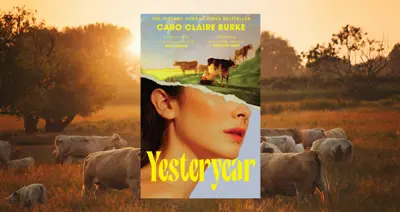
Review: Yesteryear, Caro Claire Burke, Fourth Estate Natalie is a tradwife influencer living on a farm called ‘Yesteryear’. She has millions of Instagram followers who watch her feed chickens, raise a brood of children and bake bread in her old-style kitchen filled with glass jars and carefully curated clutter. What the followers don’t see are […]